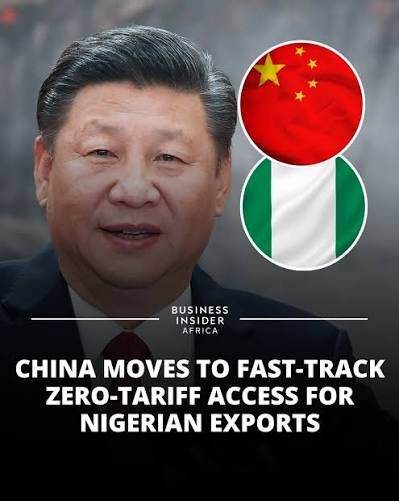
Nigeria’s exports to China surged 81 per cent to $2.25 billion in H1 2026, as China’s zero-tariff policy for products from 53 African countries, including Nigeria, began opening greater access to its market. The increase helped push total Nigeria-China trade to $17.4 billion, up 35 per cent from the same period in 2025.
The jump directly reflects the early impact of China’s tariff concession on Nigerian exports. Implemented on May 1, the policy removes tariffs across all product lines covered by the arrangement, lowering the cost of Nigerian goods entering the Chinese market and potentially improving their competitiveness.
China’s Consul General in Lagos, Yan Yuqing, said Nigerian exports reached $2.25 billion in the first six months, with monthly growth exceeding 40 per cent in May and June. The stronger trade relationship follows bilateral trade of more than $28 billion in 2025, while China’s direct investment in Nigeria rose 103 per cent to $690 million.
The key test is whether Nigeria can convert tariff-free access into a sustained export boom. If Nigerian producers can scale output and consistently meet Chinese demand, the policy could expand non-oil exports, strengthen foreign-exchange earnings and reduce Nigeria’s reliance on crude oil as its dominant source of external revenue.