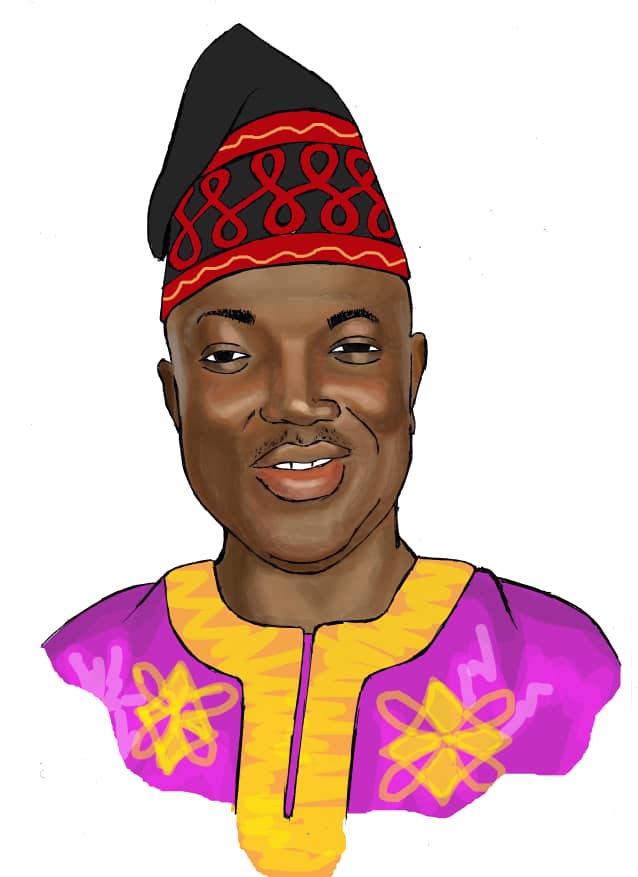
The bride would be dressed in attractive ‘heavy’ traditional stuff, often ìró, bùbá and ìpèlé with shoes and bag to-match. The attire was highly valued by the daughter of destiny as she repeatedly made references to it in the course of chanting, praising and praising her mother for dressing her like a peacock. The costume was still not complete without the bride holding in hand an object that was a symbol of her family profession. For instance, she held a small drum if the family were drummers, a small hoe if farmers, a horsetail if she was of a royal lineage, while some of the poems collected and published in this book indicate that some brides took along with them ablution kegs or praying mats on their performing tours.
The glamour of the social poetry was so much felt that any bride that missed it had lost a landmark event in the annals of her life. A bride could miss it if, in the process of pre-marriage divination, the gods warned that her star did not permit a society wedding. They just had to organise a low-key prayer party for her, since it could be too dangerous to disobey the oracles – if something terrible did not happen to her, or to the husband or any other member of their families, the marriage might not be blessed with any child.
Also, if the bride, for one reason or the other, jumped due process and sneaked into the husband’s house, or was ambushed by her nervous in-laws, she had eternally missed the honour and other concrete rewards that ȨKÚN ÌYÀWÓ invoked.
To be continued