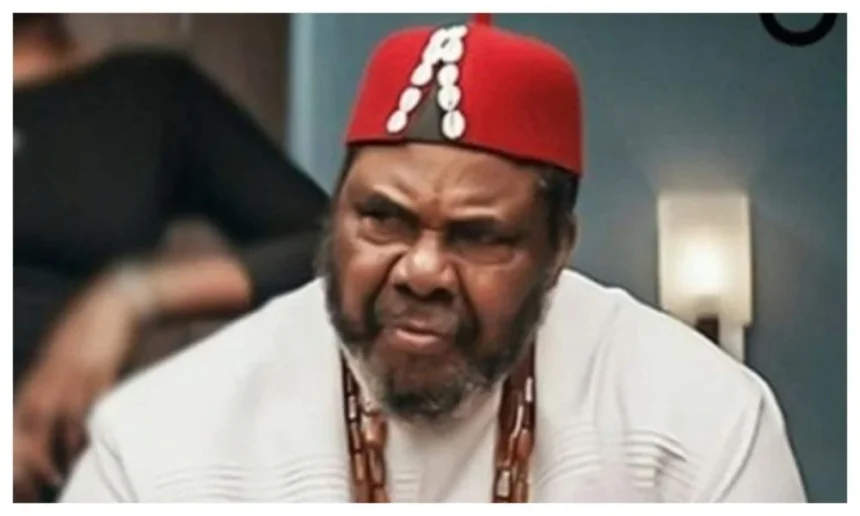
Pete Edochie: The broadcaster, cultural icon and Nollywood institution
Oyin Ogunbowale
The Nigerian entertainment industry has lost one of its most respected figures with the death of veteran actor and broadcaster, Pete Edochie, whose career spanned broadcasting, television and film.
Edochie, who died at the age of 79 in Enugu on Wednesday, November 25, 2026, was a familiar face in Nigerian cinema, particularly known for his commanding screen presence, distinctive voice and portrayal of traditional African values.
His journey to becoming one of Nollywood’s most recognisable actors, however, began long before he gained prominence in the film industry.
From broadcasting to acting
Born on March 7, 1947, in Zaria, Kaduna State, Edochie hailed from Ifite Nteje in Anambra State.
He began his broadcasting career in 1967 when he joined the Eastern Nigerian Broadcasting Corporation as a junior programmes assistant.
He gradually rose through the ranks, eventually becoming Director of Programmes at the Anambra Broadcasting Service. He also served as Deputy Managing Director and occasionally as Acting Managing Director.
His years in broadcasting established him as an experienced media professional before he ventured into acting.
The role that brought him national recognition
Edochie’s major breakthrough came in 1987 when he played Okonkwo in the Nigerian Television Authority’s adaptation of Chinua Achebe’s literary classic, Things Fall Apart.
His portrayal of the uncompromising Igbo warrior earned him widespread recognition and remains one of the most memorable performances in Nigerian television history.
The production also attracted international attention, further establishing his reputation as an actor.
Following the success of Things Fall Apart, Edochie became a prominent figure in Nollywood, featuring in several films, including Igodo, Rituals, Billionaire’s Club, Egg of Life and Lionheart, in which he played Chief Ernest Obiagu.
He became particularly associated with roles involving traditional rulers, family patriarchs and influential community figures. His deep voice, measured delivery and frequent use of African proverbs also became familiar features of his performances.
Traditional identity and public influence
Away from the screen, Edochie maintained a strong connection with his Igbo heritage and traditional values.
Widely addressed as Chief Pete Edochie, he was also popularly known as Ebube Dike, an appellation that reflected his commanding public image.
The name Ononenyi also featured in his family’s announcement of his death.
His knowledge of Igbo traditions, proverbs and cultural expressions made him a prominent figure in conversations about the preservation of indigenous identity.
Through his film roles and public appearances, he often brought traditional African values, family structures and customs to a wider audience.
National honours and industry recognition
Edochie’s contributions to the entertainment industry earned him several awards and recognitions.
In 2003, he received the national honour of Member of the Order of the Niger (MON), conferred by former President Olusegun Obasanjo.
He also received the Industry Merit Award at the 2014 Africa Magic Viewers’ Choice Awards in recognition of his contribution to the African film industry.
Other recognitions included a Lifetime Achievement Award from the Africa Film Academy and the African Film Legend Award at the African Film Festival in 2020.
These honours reflected his standing as one of the established figures in Nigerian and African cinema.
A legacy beyond the screen
Edochie’s contribution to Nigerian society went beyond the characters he portrayed.
As a broadcaster who witnessed the development of Nigerian television and an actor who rose to prominence during the formative years of Nollywood, he experienced different stages of the country’s entertainment industry.
His portrayal of Okonkwo also brought wider attention to Igbo customs, social structures and traditional expressions through the television adaptation of Achebe’s work.
Over the years, he became a reference point for younger actors, particularly those drawn to roles that require strong dialogue delivery and an understanding of traditional settings.
His family also has a presence in the entertainment industry, with his sons Yul and Linc Edochie pursuing careers in acting.
With his death, the industry has lost a veteran whose career connected broadcasting, television and the growth of Nollywood.
Although his portrayal of Okonkwo remains one of his most celebrated performances, his years in broadcasting, contribution to Nigerian cinema and representation of indigenous culture will remain important parts of his story.