By Magoh Clara
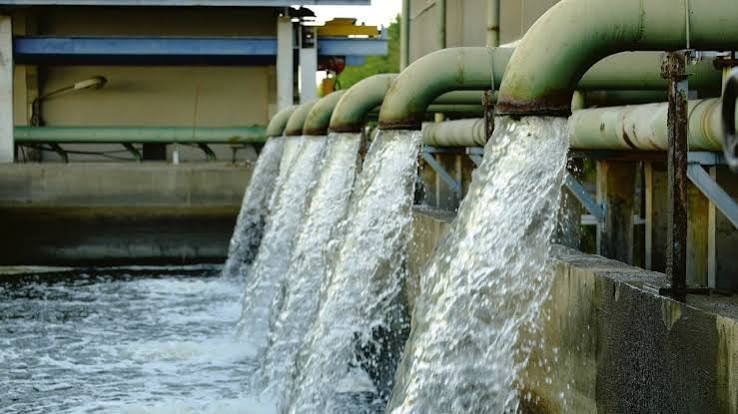
Residents of some Lagos communities are struggling with irregular water supply, forcing households to seek alternative sources for their daily needs amid rising living costs.
In Baruwa, an area of Alimosho Local Government Area, residents connected to the state’s water network say the supply remains inadequate for drinking, cooking and maintaining proper hygiene.
One resident, Ahmed Barua, said water was supplied about three times a week, but the quantity was insufficient to meet household needs.
He also explained that electricity shortages sometimes disrupted water pumping because the generator required to operate the facility was not always running.
Barua added that he had been unable to obtain water through his prepaid meter for several days, despite contacting the relevant authorities and a manager who promised to investigate the problem.
The irregular supply has added to the financial pressure on households already dealing with the rising costs of food, transportation and electricity, as residents may have to spend additional money to obtain water from alternative sources.
Concerns have also emerged over the safety of some alternative water sources. Community members have alleged that natural water sources may have been contaminated by petrol leaking from buried pipelines transporting fuel between the Mosinmi oil depot and the Ejigbo oil facility.
However, independent environmental testing would be needed to establish the extent and cause of any contamination.
The concerns were among the issues raised at a symposium organised by Corporate Accountability and Public Participation Africa (CAPPA) in Lagos on Friday, October 16, during the 2026 Africa Week of Action Against Water Privatisation.
Community representatives, activists and organised labour expressed opposition to the expansion of prepaid water meters and privatisation, warning that such arrangements could make access to water more difficult for low-income households.
Residents have reportedly approached government officials and attended meetings in search of a lasting solution, but concerns about the adequacy and reliability of water supply remain.
The situation highlights the importance of reliable water infrastructure and effective service delivery in ensuring that households have access to sufficient water for their daily needs.