Ukraine says it is ready to halt attacks on energy infrastructure if Russia does the same, following U.S. President Donald Trump’s call for both sides to suspend such strikes.
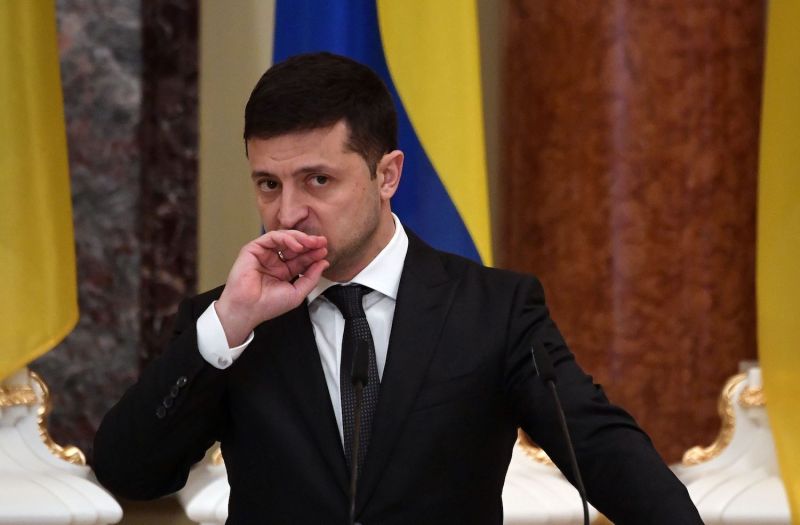
Ukrainian President Volodymyr Zelensky said the move could help reduce tensions and serve as a first step towards ending the war.
Zelensky said Kyiv had asked its international partners to help reach an agreement with Russia aimed at protecting critical infrastructure from further destruction.
“If our partners are ready to ensure that Russia genuinely refrains from striking our electricity system, other energy facilities, critical infrastructure, and food supply routes, then, of course, we are ready to ensure a corresponding halt to our strikes,” Zelensky said on X.
He described a halt to attacks on critical infrastructure as a possible first step towards de-escalation and ultimately ending the war.
Trump had earlier said on Monday on Truth Social that both sides had agreed not to target energy facilities, saying Ukraine had agreed not to strike Russian energy targets and that Russia had agreed to do the same.
The Kremlin welcomed Trump’s appeal. Kremlin spokesman Dmitry Peskov said any call for Kyiv to stop attacks on civilian economic infrastructure was “welcomed.”
Peskov also urged countries with influence over Kyiv to encourage greater flexibility, saying this could contribute to efforts to resolve the conflict.
However, hostilities have continued despite calls for restraint, with Russia and Ukraine reporting fresh attacks.
The Russian Defence Ministry said on Sunday that its forces had targeted railway infrastructure in western Ukraine and logistics facilities supplying Ukrainian forces.
Zelensky said on Wednesday that Ukrainian forces had attacked a naval base in Novorossiysk, in Russia’s southern Krasnodar Territory, striking an oil loading terminal, military facilities and warships equipped with Kalibr missiles.
Meanwhile, the conflict continues to weigh on the Russian economy.
The Russian government recently imposed a temporary ban on exports of gasoline, diesel, marine fuel and gas oil in an effort to stabilise the domestic fuel market.