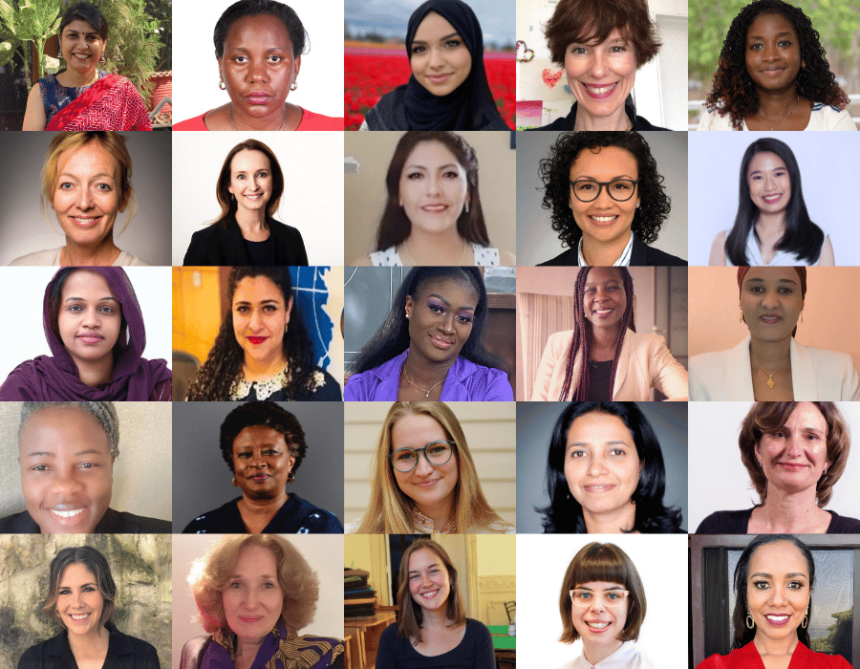
Women now account for nearly 70 per cent of the global health workforce but remain concentrated in lower-paid professions with fewer opportunities for leadership, according to a new Global Burden of Disease study.
The study estimated that 34.4 million additional doctors, nurses, midwives, dentists and pharmacists would be needed to achieve moderate universal health coverage, with the largest shortages in South Asia and sub-Saharan Africa.
Published on The Lancet medical journal website on Tuesday, the study was conducted by the Institute for Health Metrics and Evaluation (IHME), an independent population health research organisation.
Based on Global Burden of Disease 2023 estimates, the study provided the first global, sex-disaggregated estimates of 20 health worker cadres across 204 countries and territories from 1990 to 2023.
The cadres included doctors, nurses, midwives, pharmacists, dentists and community health workers, with the study also providing the first global estimates of community health workers.
The study found that women’s dominance in the workforce had not translated into equal economic or professional advancement, as they remained concentrated in lower-paid occupations.
“The global health workforce nearly tripled between 1990 and 2023, yet major shortages remain,” the report stated.
It noted that women also had fewer opportunities to progress into leadership positions despite their substantial contribution to healthcare delivery.
The findings were particularly significant for sub-Saharan Africa, identified among the regions facing the largest health workforce shortages globally.
The shortage, the report noted, threatened efforts to expand healthcare access and achieve universal health coverage, particularly in countries with inadequate numbers and uneven distribution of trained professionals.
The study called for stronger workforce planning, education, recruitment and retention, alongside investments to address gender inequalities within the sector.
It recommended gender-responsive policies, including leadership development, workplace protections, paid parental leave and flexible work arrangements, to support women throughout their health careers.
According to the study, closing global workforce gaps would require sustained investment in health worker education, recruitment, retention and supportive working conditions.
For sub-Saharan Africa, the study said such investments could increase the number of trained professionals while improving their distribution and retention in underserved communities.
The study noted that data could support targeted workforce policies by showing where shortages existed and how health workers were distributed across countries and professional groups.
It highlighted that the projected need for 34.4 million additional health professionals underscored the scale of the challenge facing countries seeking to expand healthcare coverage.
Achieving universal health coverage, the study noted, would require governments to plan for both the number and composition of health workers needed to meet future demand.
It emphasised that building a well-supported health workforce was essential to expanding access to care and preparing health systems for future challenges.
For Africa, it noted that the findings reinforced the need for sustained investment in health worker education, recruitment, retention and leadership to strengthen health systems and improve access.
According to the report, the study provided policymakers with a broader evidence base for designing health workforce strategies and allocating resources.
It emphasised that expanding healthcare access would depend not only on increasing the number of health workers, but also on ensuring they were adequately supported and fairly treated.