The United Nations (UN) has warned that Africa is bearing a disproportionate share of global biodiversity loss, with serious implications for food security, livelihoods, clean water and climate resilience.
The Executive Secretary of the UN Convention on Biological Diversity, Astrid Schomaker, raised the concern during a scientific and policy meeting in Nairobi, saying biodiversity loss is already affecting millions of Africans, particularly farmers, fishers and communities that depend on forests and other natural resources.
She said the crisis is evident in declining crop yields, shrinking fish stocks, degraded soils, polluted water sources and the loss of medicinal plants.
Schomaker identified climate change as the biggest driver of biodiversity loss in Africa, alongside deforestation, pollution, invasive species and the overexploitation of land and water resources.
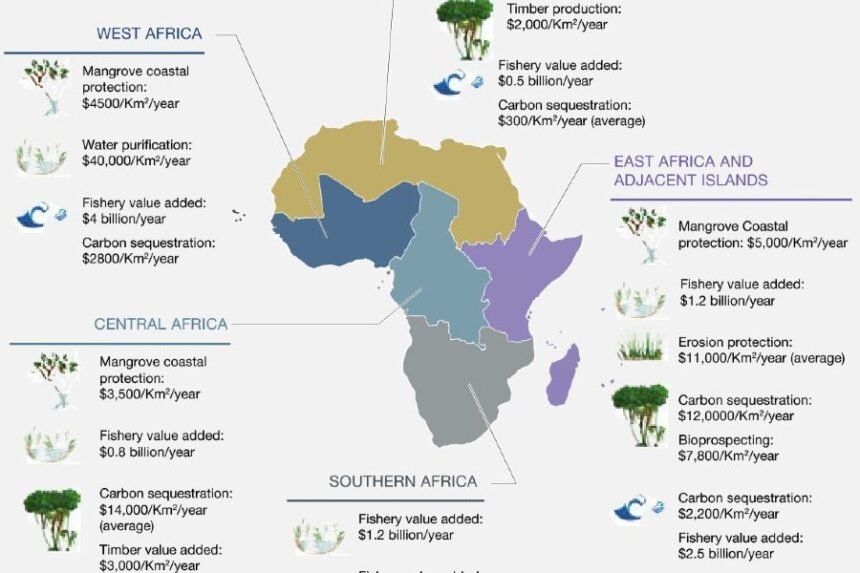
Although Africa is home to about a quarter of the world’s biodiversity, the continent has lost an estimated 24 per cent of its species since the pre-industrial era, increasing pressure on sectors such as agriculture, fisheries, forestry and tourism.
She noted that Africa contributes relatively little to global greenhouse gas emissions but remains one of the regions most vulnerable to climate change and environmental degradation.
The UN Environment Programme (UNEP) also warned that global spending on activities that destroy nature is about 30 times higher than investment in conservation and ecosystem restoration.
Schomaker called for stronger environmental policies, increased funding and greater investment in biodiversity conservation to protect ecosystems, improve food security and support sustainable development across the continent.