The Director-General of the National Gallery of Art (NGA), Ahmed Sodangi, has spotlighted creativity and innovation as powerful forces capable of transforming every aspect of human life and tackling complex global challenges.
He made this known in Abuja during a vibrant event organised in collaboration with Schools of Creativity to mark the 2026 World Creativity and Innovation Day, celebrated annually on April 21.
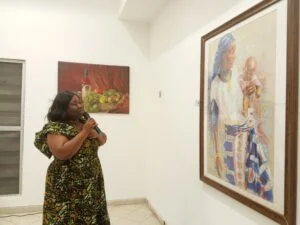
With the theme “Power of Strategy,” the event brought together artists, innovators, and enthusiasts in a dynamic showcase of ideas, talent, and expression. At the heart of the celebration was a specially curated exhibition designed to highlight how creativity continues to shape human progress.
Sodangi described the exhibition as more than just a display of artworks, calling it a reflection of the deep connection between art and science in enriching everyday life. He noted that the pieces on display—drawn from Nigeria’s rich national collection—tell stories of imagination, experimentation, and transformation.
“Every masterpiece begins as a simple idea,” he said. “What we see today are the results of vision, persistence, and creative exploration.”
He emphasised that exhibitions remain central to the NGA’s mission, serving as platforms that not only showcase artistic excellence but also project the resilience and ingenuity of the Nigerian spirit. According to him, innovation breathes new life into creativity, making it a powerful tool for solving real-world problems.
“Creativity is not a luxury—it is essential,” Sodangi stated. “It helps us stay connected as a society and opens new pathways for engagement, growth, and development.”
Also speaking at the event, the Country Director of the Integrated Women and Youths Empowerment Centre, Afiniki Mangzha, stressed that creativity goes beyond imagination—it is about action and impact.
She explained that turning ideas into practical solutions is key to achieving sustainable development and inclusive growth, especially in today’s rapidly changing world.
“Creativity is how we rebuild communities and create opportunities where none existed,” she said, sharing real-life experiences from her work. She highlighted how innovative initiatives have empowered young girls through digital skills, supported women in climate-smart agriculture, and enabled youths and persons with disabilities to contribute meaningfully to peacebuilding and economic growth.
Mangzha called for a more inclusive approach to innovation, particularly in reaching underserved and conflict-affected communities. “True innovation is measured by lives changed, not just ideas conceived,” she added, urging stakeholders to invest in people and partnerships that unlock Nigeria’s vast potential.
Adding his voice, Muyiwa Fashola, a member of the African Advisory Board for the global celebration, underscored the critical role of collaboration among young people in driving innovation.
He noted that the World Creativity and Innovation Day, celebrated globally since 2001, continues to serve as a reminder that no nation can achieve meaningful development without a creative and innovative workforce.
“A productive economy is built on creative capacity,” Fashola said. “Innovation is the engine that drives growth.”
The event ultimately reinforced a powerful message: creativity is not just about expression—it is a catalyst for national development, social transformation, and a future that leaves no one behind.