
CROWN TROUPE OF AFRICA CELEBRATES 30 YEARS OF ARTISTIC EXCELLENCE
From a Living Room in Bariga to Three Decades of Transformative Performance Art Lagos, Nigeria – January 2026 – Crown Troupe of Africa marks its 30th anniversary this year, celebrating a journey that began on June 1, 1996, in the living room of Juju music maestro King Sunny Ade in Bariga, Lagos.
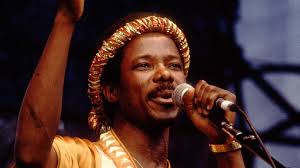
Founded in 1996, Crown Troupe of Africa is a Lagos-based performing arts company dedicated to creating responsive and meaningful artistic works that celebrate African culture and address contemporary social issues through dance, music, and theatre. On the other hand, King Sunny Ade is known globally for many things that have secured his legacy in world music, but not many people know that he was instrumental to the beginning of the troupe. As it thus celebrates the milestone, Segun Adefila Oriade, the Artistic Director, expressed gratitude to the legendary musician.
HUMBLE BEGINNINGS
Huddled in that living room that day, June 1, 1996, were Oriade and a couple of friends, including Sele, Cynthia, Kunle, Loice, Ada, Femi, Bola and a few others.
“We had nothing but our passion and guts. We wanted to start a performing arts company and that was what we did. Granted, we were young, but we were also determined. We did not have sufficient resources, but we had courage. The world did not see us those days, but the universe did,” recalled Oriade.
The group was so driven that, initially, they barely thought about how to acquire the necessary items they needed. There were no drums, no costumes, no props and not a single thought for food on the table, but they pressed on. Oriade added, “For us, our talents and our dreams were just enough! They were all we needed. All we wanted to do was to sing, dance and go the full length of the acting stage—we were boiling. The world was waiting.”
AGAINST ALL ODDS
Living in Bariga back then, the options out there were no options for dreamers like them. Some of them were in the thick of things as well. Turf battles were rife. The streets were not smiling. To be a young person in Bariga meant you had to be as tough and rough as they come because ‘àwon ti Bariga kálá’, suggesting ‘Barigarians are mean’. Oriade personally was getting deep into the rough side before God saved his life through the arts.
When they started, the neighbourhood thought it was another dangerous gang rising. Some feared them, many ignored them and some came to fight them but somehow, they managed to hold their ground without buckling. They fought the ones that came to test them, wooed the ones that feared them and ignored the ones that ignored them. It was a battle on all fronts.
Even their families didn’t believe in them; they were worried about their future. They couldn’t deal with the fact that any bright and serious person would want to waste the morning of their lives ‘dancing and singing around town’. The group, however, remained undaunted and fully committed, knowing that if they failed, that was it. No soft landing.
They would meet in the mornings and sing and dance till evening. When it rained, they were there. The scorching sun was no deterrent either.
BUILDING FROM NOTHING
Three months into the journey, Kunle, King Sunny Ade’s son, a founding member through whom they got their first rehearsal ground (his mom’s sitting room), left for the US. He was their first choreographer. After his departure, they moved from the sitting room to Sunny Ade’s compound and that was where they marked their first anniversary in 1997.
Their first instrument, a gong, was given to them by a barber whose shop was opposite where they rehearsed. Their first set of costumes were ‘stolen’ from the basement of KSA’s house. King Sunny Ade—who used to be a great theatre artist himself, a seasoned actor to the core—had much tucked away in his house. Their first drum was given to them by a friend and fellow artist who started out before them, Art Osagie. It was Osagie who took them to the National Theatre, encouraged them to join the National Association of Nigerian Theatre Arts Practitioners (NANTAP) and the Guild of Nigerian Dancers (GOND) and generally opened their eyes to see what the field was all about.
Oriaded noted that it was a real struggle keeping things together back then. He remembers how he and Sele, one of the founding members, would trek from Bariga to Adeniyi Jones in Ikeja to beg companies for patronage and then they would walk back to rehearsals on empty stomachs, thirsty and dusty but always ready to engage their dancing and acting skills. It goes without saying that hunger was a permanent feature too. Not many were willing to help a bunch of ‘lazy youths’ who preferred to waste their time dancing and singing instead of finding gainful employment.
There were days they would carry their sparse musical instruments on their heads and move from street to street, looking for wherever they would find people partying and begging them to let them perform for them at no cost. They didn’t think they were rendering a service that needed to be paid for. They felt some sense of rare acceptance and self-worth whenever and wherever they were obliged to perform.
DANCING WITH NATURE
There was a time they had no place to rehearse, and their only option was to go to an island with one of their members, a fisherman, an Egun chap named Paul. This was the phase in the history of Crown Troupe when dreaming and dancing with nature was an embodied reality. Paul would take them in his boat to a dry place in the middle of the river, where they danced, mud clinging to their feet, making it difficult to lift their legs while dancing, but the legs had to be lifted. That island became their natural gym, where they built their muscles. They would rehearse till late in the evening after which Paul would bring them back to the shore after a day’s rehearsal. Those were tough days, but they didn’t bend.
Then they broke up after a while. The founding members of the group split up and went their different ways about two years into the journey, although that initial bond remains unbroken till date, as evidenced when they all came together to celebrate their 25th anniversary in 2021. Personally, that period of splitting up was a defining moment for Oriade. He had to determine whether to hang up the boots or carry on and forge ahead. He surrendered to the latter impulse, since he had heard it said that whatever was worth doing was worth doing well. He decided to go back to school after five years on the streets, to hone his skills by seeking an intellectual basis for their creative outbursts. The natural place for this was the Department of Creative Arts, University of Lagos, under the tutelage of teachers who were also mentors that helped Crown Troupe find its voice. This was the period when they also met an organization called the Committee for Relevant Arts (CORA). It was CORA that gave them the courage to use their voice and the platform for the voice to be heard.
New members, mainly Oriade’s coursemates from the University of Lagos, joined the group and the fire of passion intensified. They were creating new works on a yearly basis. They would create a new work, take it to FESTAC town, where CORA had its secretariat and show the work to the members comprising Toyin Akinoso, Jahman Anikulapo, Ropo Ewenla, Chris Ihindero, Ayo Arigbabu, Deji Toye, who would sit and watch these works and through their guidance and criticism, they created works that were responsive and meaningful. Works like Fellow Countrymen, Aluta, Exodus, Dreams and Voices and others went through this process before getting to the general public.
THREE DECADES OF IMPACT

Over the years, Crown Troupe has metamorphosed into a breeding ground for talent and has produced artists and companies who are also nurturing other young artists. The recognition and laurels and awards have followed and now they are in their 30th year of an eclectic artistic adventure. Just like that! “Today, our hearts are filled with gratitude for the journey and everything in between,” enthused Oriade. “This year 2026 is about the expression of profound and deep appreciation to all those who started, have passed through and are still Crown Troupe for their commitment, dedication and contribution to the growth of the company. Immense gratitude also goes to you all for the show of love, good wishes, prayers, words and acts of encouragement, and solidarity bestowed on us over the years and till date.
“We are grateful to those who spoke for us, those who paved the path for us, those giants on whose solid shoulders we stand to reach the sky of our dreams—the names are numerous, but the cosmos knows you. May your lives be filled with fulfilment and gratitude. What else can we do but say ‘THANK YOU’ for reminding us to keep aspiring to be who we are meant to be.
“Let the celebration begin! Adupe o. Ire Gbogbo!”