Aminat Kolawole, an indigene of Batoro community in Ogun state, has been running a small business for eight years in Sagamu, Ogun state.
She sells food and beverages, toiletries, drinks, household consumables among others in her Idera Oluwa stores, to ensure her children go to school and her family well kept.
Mrs Oghenetega Delight Jombo, of Jombo Stores, Port Harcourt, Rivers and Blessing Abayi, a single mother from Bauchi, also run small scale businesses to support their families.
Like the trio, all over Nigeria, women are seen making efforts to keep afloat. If they are not in office ekeing out a living from white collar jobs, they are seen on the streets and markets selling goods and services.
Some are in the farms doing agricultural works that can include farming and fishing, among others.
Equally, some get their daily living by utilising their skills in sewing, hairdressing, weaving and others, all to attain economic and even social empowerment.
However, the women in rural areas are even more vulnerable.
According to the UN Women, investing in women’s economic empowerment sets a direct path toward gender equality, poverty eradication and inclusive economic growth.
It says women make enormous contributions to economies whether in businesses, farms, as entrepreneurs or employees, or by doing unpaid care work at home.
But they also remain disproportionately affected by poverty, discrimination and exploitation.
Identifying these challenges, the World Bank in June 2023 says better economic opportunities for women is essential for addressing gender inequality; guaranteeing better education, health, and nutrition outcomes for families; and building women’s and communities’ resilience to climate change.Nestlé Empowering Rural Women in Nigeria Project began in August 2021, with 50 female retailers from the suburbs of Abuja.
The programme has expanded to include more women from the South-East, North-East, South-South, and South-west, including Lagos, to help beneficiaries scale up their businesses.
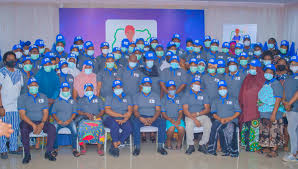
Currently, 332 women from across the regions are benefitting from the Nestlé Empowering Rural Women in Nigeria Project .
Nestlé Nigeria has helped these 332 women to scale up their businesses by 300 per cent and to sustain the new level through the project, by helping them build financial security to improve their livelihoods.
This is also one of the ways through which Nestlé Nigeria is Creating Shared Value along its value chain.
Over 80 per cent of beneficiaries have reported an increase of 100 per cent to 200 per cent in their business growth within three months of joining the program.
They can support their families better and have built financial security to improve their standard of living.
Attesting to this empowering and life-changing programme by Nestlé Nigeria , the best performing beneficiary, Mrs Oghenetega Delight Jombo, of Jombo Stores, Port Harcourt, reached a business growth of 675 per cent within six months of joining the programme.
She has sustained a monthly turnover of over N547,623.67 since.
Nestlé’s Corporate Communications and Public Affairs Manager, Victoria Uwadoka, reiterates the company’s commitment to building thriving communities by improving household incomes.
“ Nestlé Empowering Rural Women in Nigeria Project is one of the ways through which Nestlé Nigeria is Creating Shared Value along her value chain.
“We are inspired by her story and others like it,’’ Uwadoka said.
In conclusion, the role women play in their communities has a massive impact on economic development, poverty reduction, and sustainable development, hence empowerment of women through the Nestlé Empowering Rural Women in Nigeria Project, is a sure way to making positive realisations