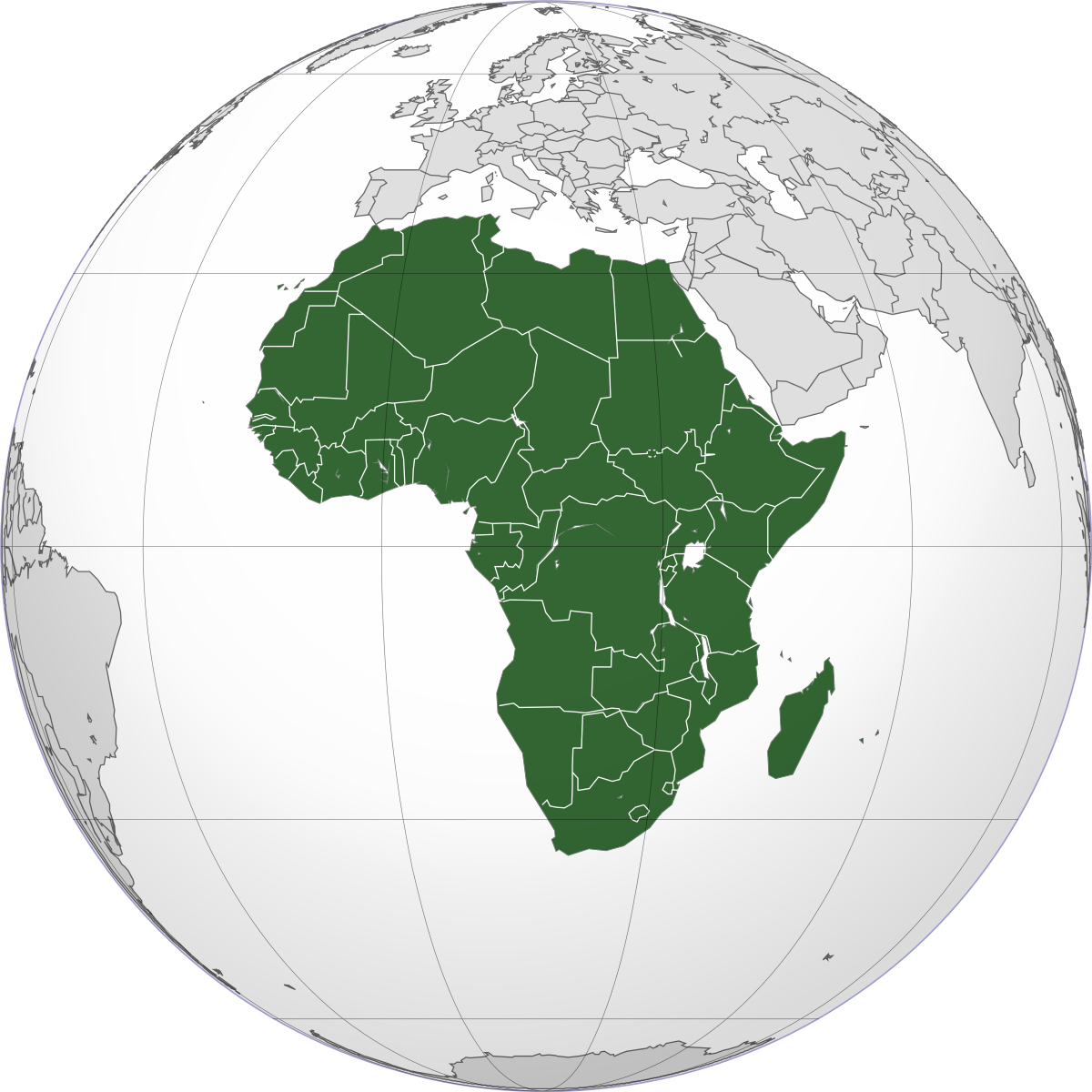
Africa faces an estimated $2.1 trillion economic cost from its inability to fully control and capture the value of its strategic resources, according to the United Nations.
The President of the UN General Assembly, Khalilur Rahman, disclosed this on Monday while opening a high-level debate on Africa’s development and international support in New York.
Rahman said the continent’s development challenges were increasingly linked to weaknesses in institutions responsible for managing natural resources, financial assets and economic opportunities.
He described the problem as a sovereignty deficit, referring to the gap between owning resources and having the capacity to manage and retain their economic benefits.
According to him, a report by UN Secretary-General António Guterres estimated the cost of the deficit at approximately $2.1 trillion, compared with the roughly $97 billion in foreign direct investment received by the continent.
Rahman said African countries captured, on average, only about 40 per cent of the potential revenue generated by their resource wealth, depriving governments of funds needed for education, healthcare, infrastructure and employment.
He made the remarks during the General Assembly’s joint debate on the New Partnership for Africa’s Development and the African Union’s Agenda 2063.
The debate considered reports by the Secretary-General on Africa’s development progress, international cooperation and the links between sustainable development and lasting peace.
Rahman urged African governments to strengthen institutions responsible for negotiating resource agreements, administering taxation and preventing illicit financial flows. He also called for greater investment in local processing and manufacturing to reduce dependence on raw material exports.
He said the continent needed to move beyond short-term resource extraction towards long-term economic management and industrial development.
The UN official described Africa’s young population as a major asset, noting that one in every three young people worldwide was projected to be African by 2050.
He said harnessing this demographic advantage would require sustained investment in education, healthcare, technology, skills and decent employment.
Rahman also highlighted the potential of the African Continental Free Trade Area, saying its full implementation could increase Africa’s real income by approximately seven per cent, equivalent to $450 billion, by 2035.
However, he warned that declining international development assistance and rising debt obligations were limiting the continent’s ability to finance development.
Citing preliminary figures from the Organisation for Economic Co-operation and Development, Rahman said bilateral development assistance to Africa fell to $29 billion in 2025, a 23.9 per cent decline from the previous year. He added that the continent’s external debt-service obligations were projected at $88.7 billion.
He called for increased concessional financing and reforms to international debt-resolution mechanisms to ease financial pressures on African governments.
Rahman also urged the UN system to strengthen cooperation with African institutions and employ more qualified African professionals in development and humanitarian operations.
“Africa has resources. Africa has people. Africa has ambition,” he said.
He urged governments and international partners to ensure that the continent’s strategic assets translated into sustainable development, economic opportunities and lasting peace.