Oyindamola Ogunbowale
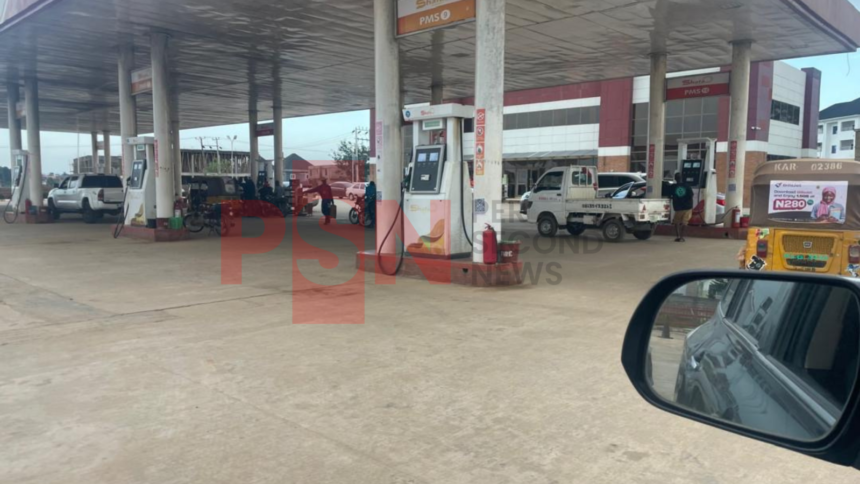
The price of Premium Motor Spirit (PMS), popularly known as petrol, is currently between ₦1,400 and ₦1,450 per litre at some filling stations across major cities in Nigeria, leaving motorists and other consumers facing another increase in the cost of transportation and daily living.
In some parts of Lagos, prices at several stations are reportedly around ₦1,400 to ₦1,450 per litre, while some outlets are selling below that range.
In Abuja, petrol prices have climbed as high as ₦1,450 per litre at some stations.
The latest increase follows a fresh adjustment by the Dangote Petroleum Refinery, which raised its petrol gantry price from ₦1,265 to ₦1,350 per litre.
The ₦85 increase represents a 6.7 per cent rise and has begun reflecting in pump prices as filling stations adjust the cost of new supplies.
The development also comes amid a sharp rise in international crude oil prices.
Brent crude has moved above $100 per barrel as renewed attacks on energy infrastructure in the Middle East raise concerns about global oil supplies.
With Nigeria’s petrol market closely affected by crude prices and supply costs, the latest international surge is putting additional pressure on domestic fuel prices.
The increase is already raising concerns among motorists and businesses, as higher petrol costs could translate into more expensive transportation, logistics and other goods and services.
There are also concerns that petrol prices could rise further if international crude prices remain elevated and the higher cost of supplying petroleum products continues to filter through the domestic market.
For millions of Nigerians already dealing with high living costs, the latest pump-price increase could add another layer of pressure to household and business expenses.
As filling stations continue to adjust their prices based on their supply costs, motorists are now watching closely to see whether the current price increases will spread further across the country