Oyindamola Ogunbowale
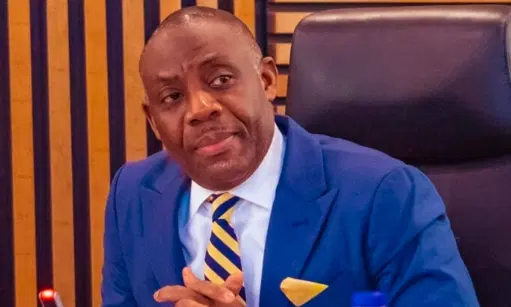
The Minister of Education, Dr Tunji Alausa, has disclosed that National Examinations Council (NECO) examination questions were previously sold for as little as N3,000 before candidates sat for the papers.
Alausa made the disclosure on Thursday in Abuja during a meeting with the National Association of Proprietors of Private Schools (NAPPS) and other stakeholders in the education sector.
He described the scale of examination malpractice in Nigeria as “mind-boggling”, saying the practice had been tolerated for years and created an unfair environment for students who prepared honestly for their examinations.
According to the minister, leaked examination questions were sometimes made available to candidates before the scheduled examination, giving them an unfair advantage over their peers.
Recounting one such incident, Alausa alleged that some individuals used the name of former NECO Registrar, Ibrahim Wushishi, in connection with a platform where examination questions could be obtained before the papers were written.
“They bought his question for N3,000. That was it. Before the examination,” the minister said.
Alausa also recalled his experience during the 2025 examination period, when he said he repeatedly received examination questions allegedly obtained before candidates sat for the papers.
He said some of the questions were sent to him for verification, with examination officials confirming that they were the actual questions scheduled for the day.
The minister said the situation posed a wider danger to the education system because students who initially resisted malpractice could eventually resort to cheating simply to compete with those who had access to leaked questions.
Alausa urged all stakeholders to support efforts to eliminate examination malpractice, warning that allowing the practice to continue would undermine the value of academic qualifications and discourage students who genuinely work for their results.