Suara Sherif
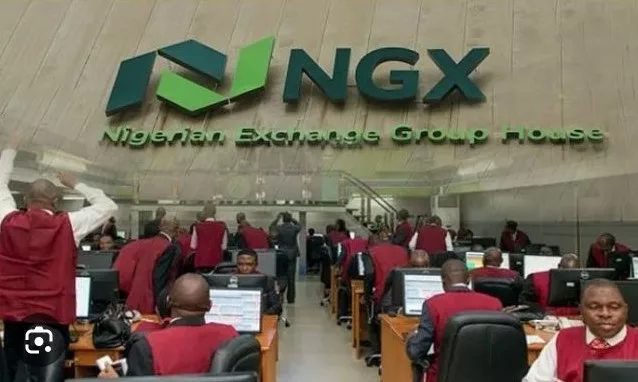
The Nigerian Exchange (NGX) has slammed the brakes on its revised equities pricing methodology, postponing a major trading-rule change just hours before it was scheduled to take effect on ‘August 17, 2026’.
The last-minute decision means investors and stockbrokers will continue operating under the existing system while the Exchange works toward a new implementation date.
The decision was confirmed by ‘Clifford Akpolo’, Group Head of Communications and Partnerships at NGX Group, who described the move as “postponed; not shelved.”
His statement makes clear that the Exchange has not abandoned the reform, but has put the planned rollout on hold while further engagement continues.
The proposed rules were designed to change how trading activity influences the published prices of shares on the Nigerian Exchange.
Under the new system, trades would have to meet specific minimum volume requirements based on a stock’s price before they could trigger an official price movement.
The aim is to make the market more reflective of meaningful trading activity and reduce the ability of very small transactions to influence share prices.
Higher-priced shares would require fewer units to trigger a price movement, while lower-priced shares would require larger trading volumes.
The sudden postponement has left investors waiting for clarity, particularly because the new methodology was due to begin the following day.
The NGX has indicated that discussions surrounding the reform are continuing, but no new implementation date has been announced.
For now, the brakes remain on. Investors will continue trading under the existing pricing framework while the market waits for the Nigerian Exchange to provide further details and announce when the new rules will finally take effect.
The decision could prove important for Nigeria’s capital market because the eventual changes may affect how investors interpret movements in individual stocks and how trading activity influences published prices.
For now, however, the Nigerian Exchange has paused the journey, leaving investors waiting for the signal to move again.