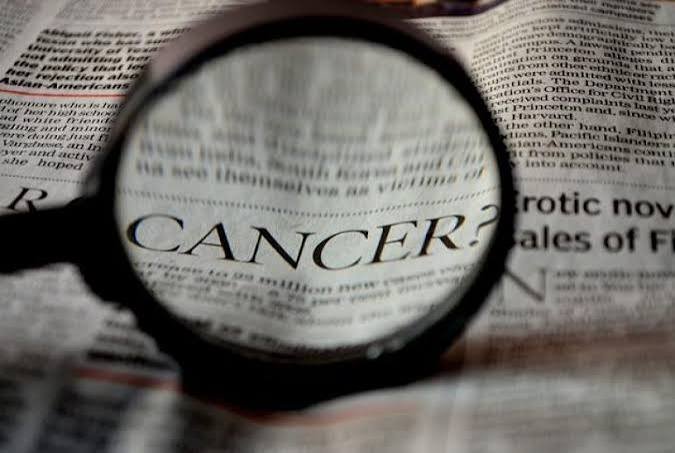
The Federal Government plans to procure 25 additional linear accelerators between 2027 and 2029 to expand cancer treatment capacity and strengthen cancer control across the country.
Minister of State for Health and Social Welfare, Dr Iziaq Salako, disclosed this on Tuesday in Abuja at the National Cancer Control Plan (NCCP) Technical Working Group and Global Advisory Council meeting.
Salako said the procurement was part of the NCCP 2026–2030 framework, which focuses on cancer prevention, early detection, treatment, research and partnerships.
“Recently, President Bola Tinubu approved that between 2027 and 2029, the country should procure an additional 25 linear accelerators. We are executing a three-year plan to achieve this,” he said.
He said late presentation by patients, inadequate infrastructure, shortage of skilled personnel and funding remained major challenges to effective cancer care.
The minister said prevention remained central to the government’s strategy, noting that HPV vaccination had been included in Nigeria’s routine immunisation schedule. He added that efforts were also underway to strengthen hepatitis vaccination, expand cervical cancer screening and integrate screening services into primary healthcare facilities.
Salako also disclosed that construction of six Cancer Centres of Excellence had commenced, with three already completed. He added that the Blood Cancer Consortium had been inaugurated to strengthen pathology laboratories across the country.
The President of the Nigerian Cancer Society, Prof. Abidemi Omonisi, commended the government’s coordinated approach to cancer control, saying stronger collaboration among stakeholders would improve research, treatment and access to advanced cancer-care services.
Earlier, the Chair of the NCCP Technical Working Group, Prof. Folakemi Odedina, said progress was being recorded in prevention, early detection, treatment, palliative care, research, clinical trials and workforce development.
Odedina said efforts were also underway to strengthen Nigeria’s oncology clinical trials ecosystem and improve access to innovative treatment options.
Also speaking, Prof. Taofeek Owonikoko, Global Advisory Council Director at the University of Maryland Greenebaum Cancer Centre, said achieving a cancer-free Nigeria would require sustained investment in healthcare systems, research and treatment capacity.
Dr Lewis Roberts of Mayo Clinic Comprehensive Cancer Centre called for increased attention to liver cancer through stronger screening, hepatitis prevention and treatment, as well as wider vaccination coverage.
The meeting reviewed progress under the NCCP and strategies for strengthening cancer prevention, early detection, treatment, research and survivorship care in Nigeria.