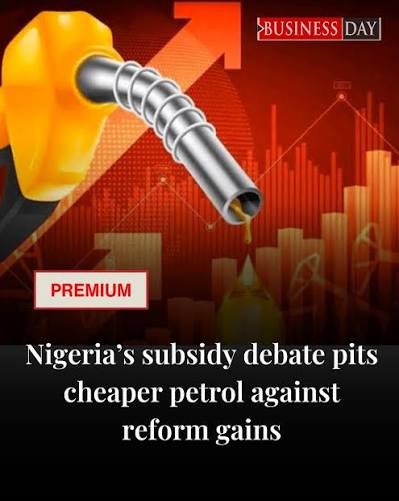
Nigeria has reopened the politically and economically sensitive fuel-subsidy debate as petrol prices remain around ₦1,300 per litre, with former Vice President Atiku Abubakar proposing a targeted intervention to cushion consumers. Energy experts and economists have backed elements of the proposal, while the Federal Government and APC warn against reviving the fiscal and governance problems associated with the former subsidy regime.
The renewed debate is being driven by the sharp increase in petrol prices since subsidy removal in May 2023. The PUNCH reported that the pump price climbed from ₦175 per litre in May 2023 to about ₦1,300 by May 2026, intensifying pressure on transportation, food prices and household incomes.
Atiku is not proposing a simple return to the old system. His model would provide preferential crude prices to qualifying domestic refineries, with the benefit tied to independently verified fuel supplies and transparent pricing, while economists have also suggested targeted vouchers or direct support for vulnerable households.
The stakes are now bigger than the subsidy itself. Nigeria must decide whether to preserve the fiscal gains of subsidy removal, redesign the intervention to shield consumers, or pursue a different solution altogether—while ensuring that any new system does not recreate the leakages that made the old subsidy unsustainable.